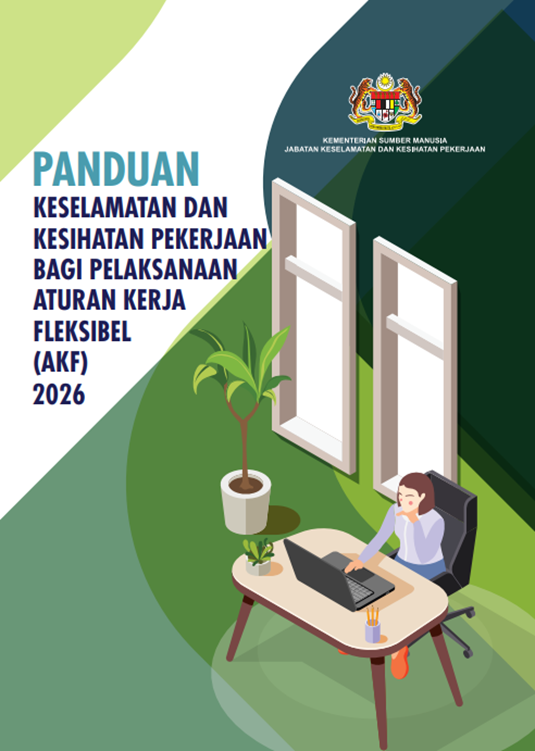
On 10 February 2026, Human Resources Minister R. Ramanan highlighted that employers implementing flexible work arrangements, including working from home, are encouraged to assess not only physical safety but also employees’ mental health and psychosocial risks. The requirement is outlined in the Occupational Safety and Health Guide for Flexible Work Arrangement (FWA) 2026 developed by the Department of Occupational Safety and Health (DOSH), as Malaysia continues to expand the adoption of flexible work models across sectors.
The guideline provides practical guidance for organisations to implement flexible work arrangements in a structured and compliant manner. It outlines key forms of flexible work arrangements, including:
• Flexible workplaces, such as remote or hybrid working
• Flexible working days
• Flexible working hours
Implementation should be based on sectoral suitability, the nature of work, operational requirements, and mutual agreement between employers and employees.
A key focus of the guide is the need for organisations to identify and manage occupational safety and health risks arising from flexible work arrangements, including:
• Physical safety risks
• Mental health considerations
• Psychosocial risks associated with flexible work environments
• Maintaining effective communication and safe working conditions
Roles and Responsibilities
The guideline clarifies shared responsibilities to ensure the safe and effective implementation of flexible work arrangements.
Employers are responsible, as far as practicable, for ensuring the safety, health, and welfare of employees under flexible work arrangements. Key responsibilities include:
• Updating policies to incorporate OSH requirements and communicating them clearly
• Identifying, assessing, and managing OSH risks in flexible work environments
• Providing suitable equipment and relevant safety training
• Establishing clear communication and supervision mechanisms
• Implementing processes for reporting accidents or health issues and reporting to DOSH where required
Employees are responsible for taking reasonable care of their own safety and health, as well as the safety of others who may be affected by their work activities. Key responsibilities include:
• Maintaining a safe and suitable workspace
• Following OSH instructions, work procedures, and agreed arrangements
• Participating in required training and using equipment properly
• Promptly reporting accidents, unsafe conditions, physical discomfort, or mental health concerns
The guideline reiterates that flexible work arrangements must not compromise statutory employee rights or existing benefits. Organisations are encouraged to periodically review the effectiveness of their arrangements to ensure they remain suitable, safe, and aligned with operational needs and regulatory expectations.
Further information can be accessed here.